How Jamaican Food Blends Flavor, Culture, and Tradition

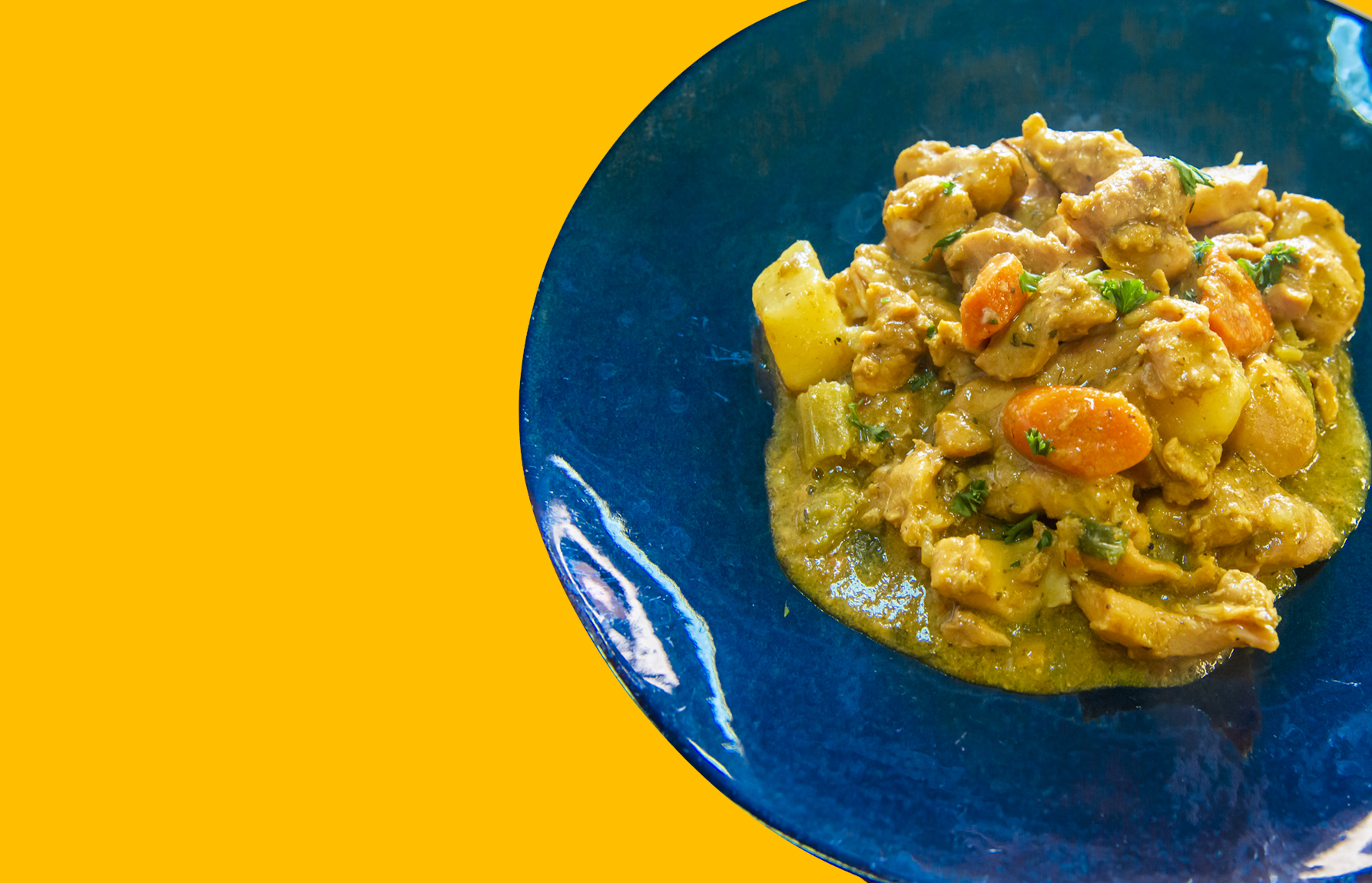
Jamaican food does not arrive quietly. It announces itself through smoke, spice, color, and aroma long before the plate reaches the table. A pot of simmering curry goat fills a kitchen with warm, earthy perfume. Jerk chicken crackles over pimento wood, sending up a fragrance that is sweet, fiery, and unmistakably deep. Rice and peas, glossy with coconut milk and thyme, offers comfort in a form that feels both humble and carefully considered. This is food with presence.
What makes Jamaican food so compelling is not only its flavor, although flavor is where most people begin. It is the way taste carries history. A single meal can reveal the island’s African roots, Indigenous knowledge, British colonial influence, Indian and Chinese migration, and the resourcefulness of generations who learned to make abundance from what was available. Jamaican cooking is expressive, but it is also disciplined. Behind the vivid seasoning is a set of traditions shaped by land, labor, celebration, and survival.
Anyone who has spent time around a Jamaican kitchen, whether at home, in a roadside cookshop, or at a family gathering, knows that recipes are only part of the story. Method matters. Timing matters. So does instinct. You learn quickly that a dish can have the right ingredients and still miss the mark if the heat is wrong, the seasoning has not rested, or the balance between Scotch bonnet, allspice, scallion, and thyme is off by just enough to flatten the whole thing. Jamaican food rewards attention.
Flavor that aims for depth, not noise
People unfamiliar with Jamaican food sometimes reduce it to heat. Scotch bonnet peppers get the headlines, and for good reason. They are hot, fruity, and capable of transforming a marinade or stew. But the best Jamaican cooking is rarely about blunt force spice. It is about layering. Heat should travel with sweetness, acidity, smoke, bitterness, and savoriness. A good escovitch fish, for example, is not just spicy. It is sharp with vinegar, fragrant with onion and carrot, and grounded by the fried fish itself. The heat sits inside a larger structure.
That layering starts with staples that show up again and again. Allspice, often called pimento in Jamaica, is one of the most important. It adds warmth that hints at clove, cinnamon, and nutmeg without becoming dessert-like. Fresh thyme brings a resinous note that cuts through richness. Scallion, ginger, garlic, onion, and Scotch bonnet build the backbone of many marinades, sauces, and stews. Browning, a dark caramelized sugar sauce, gives color and slight bitterness to dishes such as brown stew chicken. Coconut milk softens and rounds out rice, porridge, and some curries. Saltfish delivers a deep cured savoriness that has anchored Jamaican breakfasts for generations.
The point is not to throw everything into every dish. It is to know which notes matter most in each one. Jerk needs smoke, pimento, thyme, pepper, and a touch of sweetness to support the char. Oxtail needs time, browning, and rich stock so the gelatin can turn silky. Ackee and saltfish needs restraint. Overwork it, and the ackee breaks apart or the salt overwhelms the dish.
That kind of judgment separates memorable Jamaican food from the versions that feel loud but one-dimensional.
The history on the plate
Jamaican cuisine makes more sense when viewed as the result of movement, collision, and adaptation. The island’s original inhabitants, the Taíno, contributed methods and ingredients that still echo in the food, including cassava and barbecuing techniques that influenced what later became jerk cooking. Enslaved Africans brought agricultural knowledge, cooking methods, and ingredients that became foundational. Colonialism imposed new systems of labor and trade, while later waves of Indian, Chinese, Lebanese, and other communities left visible marks on the national table.
You can taste that history in everyday dishes. Curry goat is one of the clearest examples. Curry powder itself arrived through Indian influence, but in Jamaica it evolved into something distinct. It is often heavier on turmeric and allspice than some Indian blends, and the dish that results is not an imitation of Indian curry. It is unmistakably Jamaican, usually richer, darker, and often cooked down until the gravy clings to the meat. Roti followed a similar path. In Jamaica, it became part of a local food culture that made room for wraps filled with curried chicken, goat, or vegetables, sold in neighborhood spots and taken seriously by loyal regulars.
Even breakfast tells a historical story. Ackee, now the national fruit, originally came from West Africa. Saltfish reflects trade networks and preservation methods from the colonial period. Together, ackee and saltfish became one of the island’s signature dishes, not because the pairing was obvious from the start, but because generations made it meaningful. That is how food traditions often work. They are not static inheritances. They are repeated choices that gather emotional weight over time.
Jerk is technique as much as seasoning
Jerk may be the most internationally recognized part of Jamaican food, and it is also one of the most misunderstood. Outside Jamaica, the term is often used loosely to describe anything spicy and smoky. In practice, proper jerk is both a seasoning tradition and a cooking method rooted in place.
The seasoning paste usually includes Scotch bonnet, scallion, thyme, allspice, ginger, garlic, and salt, sometimes with cinnamon, nutmeg, or brown sugar depending on the cook. What matters most is balance and penetration. The seasoning needs time to work into the meat. Chicken is common, pork is traditional, and fish can be excellent, but each requires a different hand. Chicken can take a generous coating and high heat. Pork benefits from slower cooking that renders fat and develops bark. Fish needs more care because it can dry out or tear.
Then there is the fire. Authentic jerk cooked over pimento wood has a flavor that is hard to fake. The smoke is aromatic rather than harsh, and it mingles with the allspice in the marinade in a way that feels seamless. A grill can produce a good result, and many skilled cooks do just that, especially outside Jamaica where pimento wood is not easy to get. Still, there is a noticeable difference between meat grilled with jerk seasoning and meat truly jerked over the right smoke.
That distinction matters because jerk is one of those foods where technique carries memory. If you have stood near a jerk pan on a roadside in Boston Bay or Kingston, watching the cook lift the lid and turn the meat while smoke rolls out in a burst, you understand why people defend the method so fiercely. The taste is tied to the setting, the wood, the wait, the paper wrapped around the finished portion, and the piece of festival or bread on the side.
Everyday staples reveal the soul of the cuisine
Showpiece dishes get attention, but staples reveal how a cuisine actually lives. Jamaican food is full of practical, nourishing combinations that show care without pretense. Rice and peas is a perfect example. Despite the name, the “peas” are usually kidney beans or gungo peas, simmered with coconut milk, thyme, scallion, and Scotch bonnet for aroma rather than outright heat. When made well, the grains stay separate, the coconut is present but not sweet, and the seasoning perfumes the rice without turning it heavy.
Ground provisions play a similar role. Yam, green banana, boiled dumpling, and coco appear on many breakfast and lunch plates because they are filling, affordable, and deeply familiar. Paired with callaloo, saltfish, mackerel, or stew, they create meals built for labor, school, and family life. These are not side notes in Jamaican food culture. They are central.
Soups also deserve more credit than they often get abroad. Saturday soup, whether red peas soup, chicken soup, or mannish water, is part nourishment, part ritual. The best versions are substantial enough to blur the line between soup and meal. They often include dumplings, provisions, herbs, and slow-cooked meat. What stands out is not extravagance but depth. A strong Jamaican soup tastes like a cook paid attention from the first simmer.
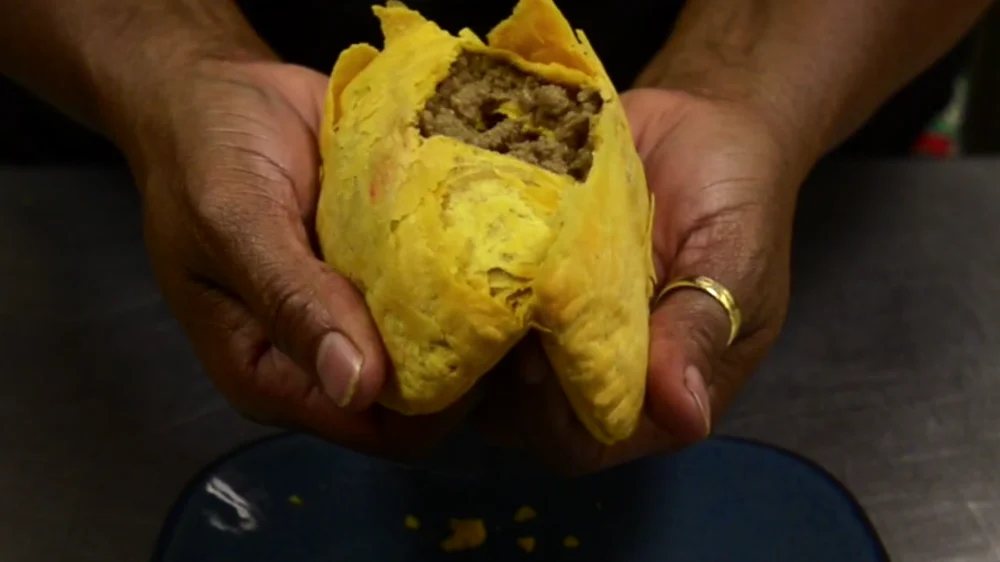
Patties belong in this conversation too. They are convenient, portable, and almost universally loved, but a great patty is more technical than it looks. The crust should be tender and flaky with enough structure to hold the filling. The filling, whether beef, chicken, vegetable, or saltfish, needs moisture and punch without turning greasy. Many places get one of those two parts right. Fewer get both.
The role of food in family and celebration
Jamaican food is inseparable from occasion. Sunday dinner remains one of the clearest examples. Across many households, Sunday is the day for more elaborate cooking, the kind that asks for time and rewards a full table. You might find rice and peas, stewed or roasted meat, macaroni and cheese, plantain, salad, and some form of gravy that nobody wants to waste. The meal is not only about hunger. It is about rhythm. The week pauses. People gather. Recipes get repeated enough to become part of a family’s identity.
Christmas brings another layer of tradition. Sorrel, steeped with ginger and often spiced with clove, appears in many homes. So does black cake, dense and dark with fruit soaked for months in wine and rum. Ham gets glazed and baked. There is ceremony in the preparation, but there is also memory. People compare one aunt’s cake to another’s, argue gently over who makes the better sorrel, and repeat stories that are as much part of the holiday as the food itself.
At weddings, funerals, church events, and community gatherings, Jamaican food takes on an even broader social role. Large trays of curried goat, fried chicken, rice and peas, and steamed vegetables do more than feed crowds. They create continuity. They mark care. A meal after a funeral, in particular, can carry quiet significance. It provides steadiness when words do not do much good.
That social function helps explain why authenticity is such a charged topic. When people defend a particular style of jerk or insist that a proper oxtail should taste a certain way, they are not always being rigid for the sake of it. Often they are defending a memory, a place, or the labor of the people who taught them what good food should be.
Street food, cookshops, and the genius of informal dining
Some of the most satisfying Jamaican food is eaten in places with no interest in trendiness. Roadside stalls, small cookshops, bakery counters, and jerk stands often offer food that is more vivid and more confident than what appears in polished dining rooms. These businesses tend to succeed not by novelty but by consistency. The regulars know exactly how the brown stew should taste, how peppery the soup should be, or whether the fry chicken stays crisp long enough to survive the trip home.
Street food culture also highlights the island’s practical inventiveness. Festival, a lightly sweet fried dough, pairs beautifully with https://issuu.com/reggaepotdenver salty or spicy foods. Roasted corn, soup by the roadside, jelly coconut sold fresh, and late-night patties all answer real appetites in specific moments. They reflect climate, work schedules, transport habits, and local taste.
There is also a valuable lesson here for anyone trying to understand Jamaican food beyond restaurant menus. Presentation is rarely the main event. Texture, seasoning, temperature, and generosity matter more. A plate can look plain and still be exceptional if the chicken was seasoned overnight, the gravy reduced properly, and the rice cooked with care.
Why the cuisine travels so well, and where it gets diluted
Jamaican food has traveled widely through migration, and in many cities it serves as both comfort and cultural ambassador. London, Toronto, New York, Miami, and other places with large Caribbean communities have all helped broaden its reach. That spread has produced wonderful results, especially when cooks adapt thoughtfully to new markets without sanding off the identity of the food.
Still, global popularity brings familiar risks. Heat gets exaggerated while complexity gets lost. Jerk becomes a marketing label. Curry gets sweetened or thickened beyond recognition. Ackee may be omitted because it is difficult to source or prepare legally in some markets. Portions get oversized while the seasoning becomes timid to suit presumed mainstream tastes.
The best diaspora kitchens tend to avoid those traps by deciding what can bend and what cannot. A cook may substitute for a hard-to-find herb, but refuse to compromise on marinating time. A restaurant may use a standard smoker instead of pimento wood, but keep the jerk profile balanced and the char honest. Another may streamline the menu, but hold fast to proper rice and peas rather than treating it like generic coconut rice. Those decisions matter.
A useful way to think about it is this:
| What should stay intact | What can adapt thoughtfully | | --- | --- | | core seasoning balance | equipment and fuel source | | cooking time for stews and braises | garnish and plating style | | texture of staples like rice and peas or patties | menu size and service model | | cultural context and naming | ingredient substitutions when necessary |
That balance is what keeps a cuisine alive rather than frozen. Jamaican food has always evolved. The issue is not change itself. The issue is whether the change respects the logic of the dish.
Cooking Jamaican food well requires patience
There is a practical reason Jamaican food feels generous and full-bodied. Much of it relies on marinating, simmering, braising, soaking, or slow building. Fast cooking has its place, especially with fried fish or breakfast items, but many signature dishes ask for time. Oxtail needs enough cooking to soften connective tissue without drying the meat. Goat needs patient simmering to become tender and absorb curry. Beans for rice and peas need proper seasoning from the pot, not just from a last-minute garnish.
Home cooks who are new to Jamaican food often make two predictable mistakes. The first is under-seasoning because they are cautious about salt or heat. The second is overcompensating by adding too many strong elements at once. The better approach is to focus on proportion and sequence. Season the meat thoroughly, but let it rest. Build flavor in stages. Taste for aroma as much as heat. Understand that thyme and allspice are not decorative. They are structural.
One of the clearest markers of experience is knowing when to stop. Jamaican food is bold, but it should not taste cluttered. A callaloo dish should still taste green and mineral. A curry should have identity, not just thickness. A good cook learns that more Scotch bonnet, more garlic, or more browning is not always better. Sometimes the skill lies in keeping the dish from collapsing under its own ambition.
More than a cuisine, a way of holding memory
The enduring power of Jamaican food lies in how fully it binds taste to identity. It is regional and national at once. It is intimate enough to carry family habits, yet broad enough to represent a country across the world. It can be celebratory, restorative, or simply everyday, but it rarely feels detached from the lives around it.
That is why people speak about it with such feeling. A bowl of soup can remind someone of Saturdays at home. A slice of black cake can bring back Christmas with relatives who are no longer here. The scent of jerk smoke can collapse years and distance in a matter of seconds. Food does that in many cultures, but Jamaican food seems especially adept at making memory tangible.
For anyone approaching the cuisine for the first time, the best starting point is not to look for a single definitive dish that explains everything. It is better to notice the recurring values. Balance over bluntness. Patience over speed. Resourcefulness without apology. Pleasure joined to history. Once you see those threads, the cuisine opens up.
Jamaican food blends flavor, culture, and tradition so effectively because none of those elements sits apart from the others. The seasoning is historical. The technique is cultural. The tradition is delicious. On the plate, they become impossible to separate, and that is exactly why the food leaves such a lasting impression.
Reggae Pot Jamaican Grill
2243 S Monaco St Pkwy #104
Denver, CO 80222
+1 720-410-2956
FAQ About jamaican food
What is the best Jamaican food to try in Denver?
The best choice depends on your tastes. Popular options include jerk chicken, curry goat, slow-cooked oxtail, and savory patties. Reggae Pot lists these dishes on its menu, with sides such as rice and peas and plantains. Ask the Denver team about current availability and spice levels.
Is Jamaican food very spicy in Denver?
Heat varies by dish and preparation. Jerk seasoning often includes scotch bonnet peppers alongside herbs and allspice, while other dishes may have gentler seasoning. Ask about the heat of the specific dish and any sauce before ordering.
What are some popular Jamaican snacks?
Jamaican patties are a popular snack made with flaky pastry and savory meat or vegetable fillings. Other options include fried dumplings and festival, a sweet fried dough often served with savory dishes. Availability varies, so check the current menu when ordering.
Ends · JUDAHGSEB965